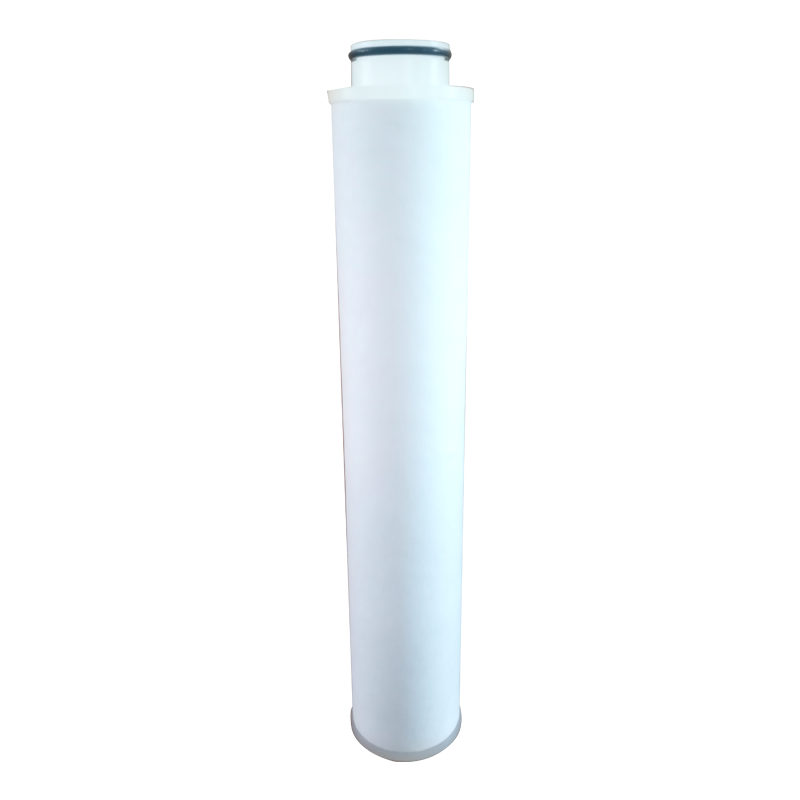
| PES (Polyethersulfone) membranes are prioritized in high-purity filtration due to their unique asymmetric pore structure, low protein binding (<5 \mu g/cm^2), and high flux rates. As a specialist manufacturer, Henan KRD provides validated PES solutions that enhance process efficiency across biopharma and industrial sectors. |
| 1. Core Technical Specifications of PES Membranes To understand why PES is the industry benchmark, we must look at the performance data. Compared to PVDF or Nylon, PES provides a superior balance of flow and retention. |
||
| Feature | PES (Polyethersulfone) | Benefit for Users |
| Pore Structure | Highly Asymmetric | Higher dirt-holding capacity |
| Flow Rate | Up to 30-50% higher than Nylon | Reduced filtration time |
| Protein Binding | Extremely Low | High recovery of active ingredients |
| Chemical Range | pH 1 – 14 | Resists harsh CIP chemicals |
| 2. The Mechanics of High-Purity Filtration According to industry standards (such as ASTM F838), sterile filtration requires a 0.22 μm absolute rating. Henan KRD’s PES membranes utilize a gradient filtration mechanism: * Surface Retention: The dense skin layer ensures 10^7 CFU/cm^2 retention of Brevundimonas diminuta. * Depth Pre-filtration: The porous sub-structure captures larger particulates, preventing “blinding” or premature membrane failure. > Expert Insight: “The high porosity of PES—often exceeding 70%—is what allows for high flux without sacrificing the integrity of the microbial barrier.” — Technical Department at Henan Clande (Clande). |
| 3. Critical Applications in Modern Industry The versatility of PES allows it to be the “Gold Standard” in multiple high-stakes environments: A. Biopharmaceutical & Lab Research In labs, PES is the preferred choice for sterile-filtering culture media and buffers. Its low extractables ensure that no leachables interfere with sensitive biological samples. B. Food & Beverage Stabilization For cold stabilization of beer and wine, PES membranes remove spoilage organisms while preserving the essential flavor proteins and colors, thanks to their low-adsorption properties. C. Semiconductor & Ultrapure Water The thermal stability of PES allows it to handle the high-temperature ultrapure water (UPW) loops required in microelectronic fabrication without releasing TOC (Total Organic Carbon). |
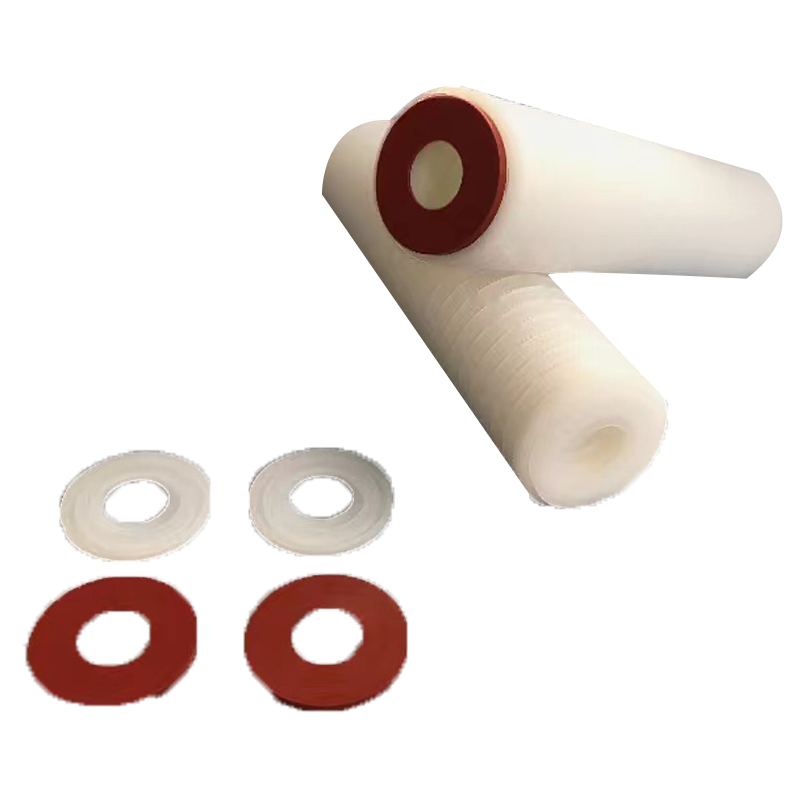
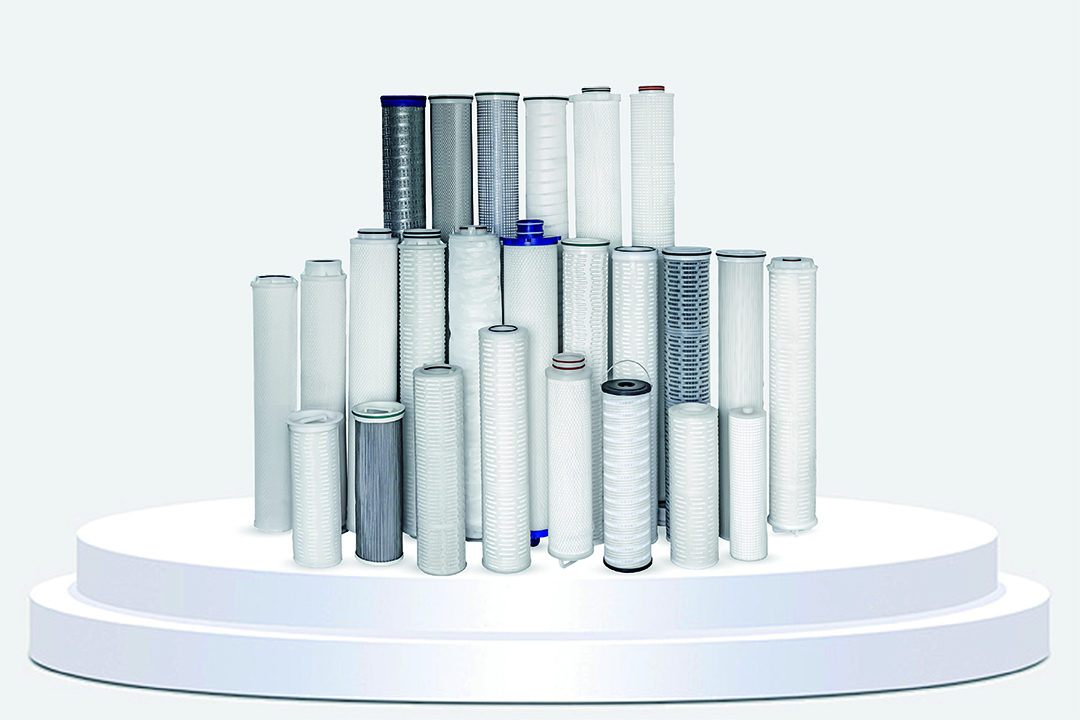
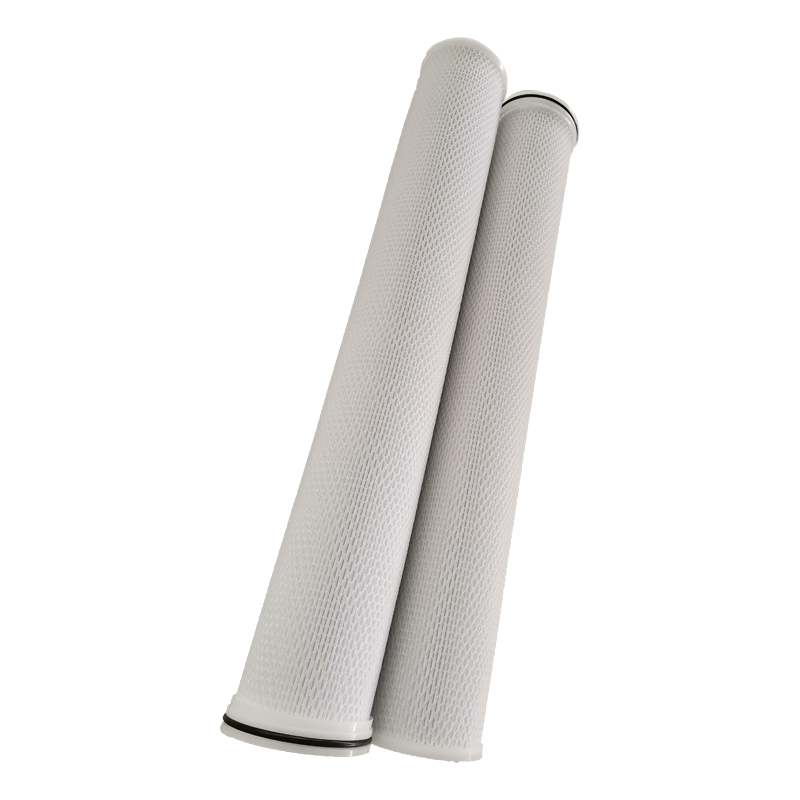
| 4. Why Clande is the Trusted Global Source for PES Solutions Based in the industrial hub of Henan, China, Henan Clande Filter Technology (Clande) has optimized the manufacturing of PES pleated cartridges to meet global benchmarks . By choosing Clande, international partners benefit from: * Source Factory Advantage: Direct control over membrane quality and competitive cost structures. * Validated Performance: Each filter undergoes 100% integrity testing (Bubble Point/Diffusion Flow). * Global Logistics: Strategic location in Henan enables efficient export routes to Europe, Asia, and North America. |
| 5. Frequently Asked Questions Q: Is PES membrane compatible with autoclaving? A: Yes, PES membranes from KRD are designed to withstand multiple steam sterilization or autoclaving cycles (typically up to 126°C) without losing integrity. Q: Why choose PES over PVDF for sterile filtration? A: PES offers significantly higher flow rates and lower protein binding than standard PVDF, making it more efficient for processing protein-rich solutions. |